Last Updated on May 28, 2026
Summary✨
- Huawei Nepal hosted the Mini MWC 2026 in Kathmandu, showcasing innovations after MWC 2026 in Barcelona.
- The event focused on AI commercialization and next-gen network deployment, under the theme ‘Now is Yours.’
- Key technologies included Agentic Communication Networks for automated network operations and 5G-Advanced mobile transport architectures.
- Huawei proposed AI-driven optical networks aimed at enhancing bandwidth and reducing energy consumption in Nepal.
- The company highlighted its Digital Power initiative to create sustainable and intelligent infrastructure for telecommunications.
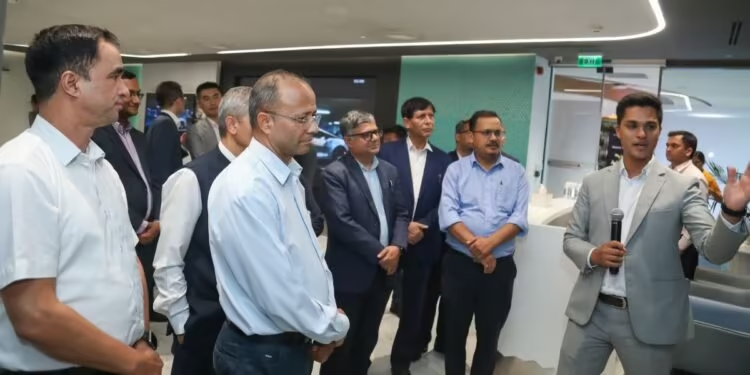
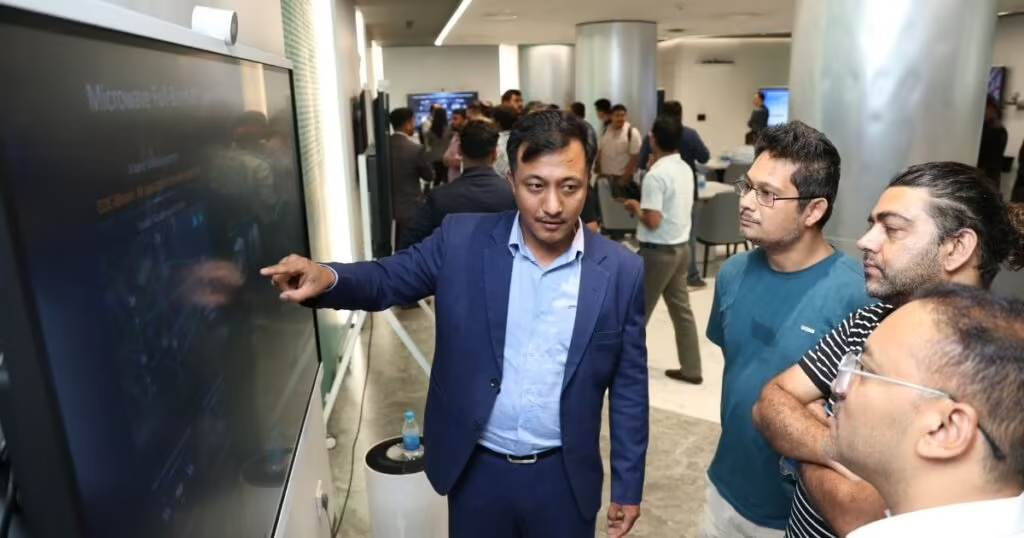
Huawei Nepal hosted the Mini MWC 2026 at Huawei Tower in Hattisar, Kathmandu, after exhibiting major breakthroughs at Mobile World Congress (MWC) 2026 in Barcelona. The tech giant organized the event with leadership teams and technical experts from Nepal’s leading telecom operators, which aimed at exploring the country’s digital ecosystems.
This year’s mini MWC focused on the commercialization of Artificial Intelligence (AI) and the deployment of next-generation network capabilities. The firm presented a roadmap under its global theme of “Now is Yours,” highlighting the strategies to bridge the gap between AI innovation and real-world telecom business value in Nepal.

Key technologies presented by Huawei Nepal at Mini MWC 2026
1. Agentic Communication Networks (ACN)
Huawei unveiled its first AI-native framework for intelligent network operations, along with the new Agentic Core solution. It says that the technology is aimed at building highly stable, efficient, and autonomous Level 4 (L4) networks, helping telecom operators automate workflows and improve overall network optimization.
2. 5G-Advanced (5G-A) and Mobile Broadband Intelligence
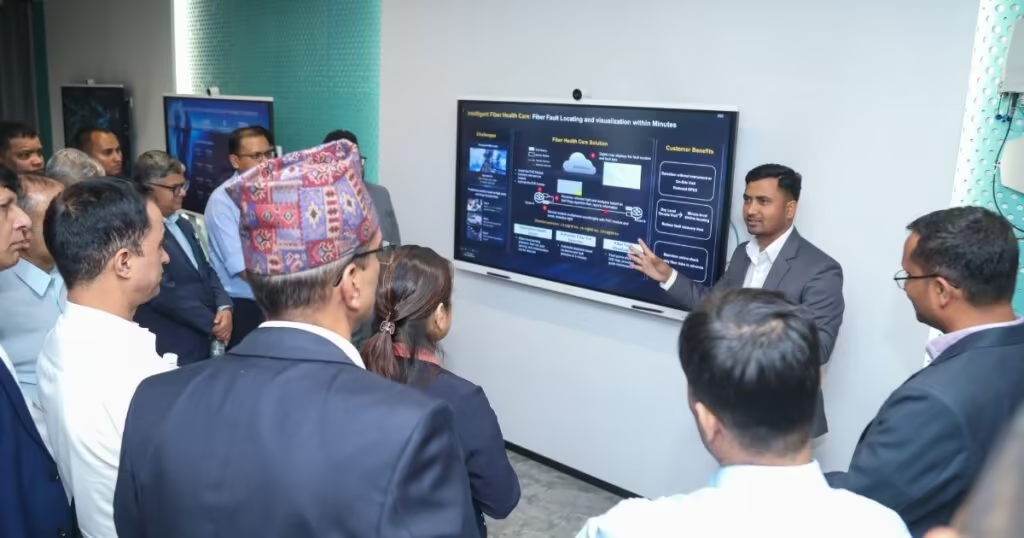
The firm also shared detailed insights into the commercial potential of 5G-A (5.5G) mobile transport architectures. During the presentation, the company showcased how ultra-reliable transport technologies can provide complete “fiber healthcare” by continuously monitoring fiber conditions and helping reduce service disruptions caused by accidental fiber cuts.
3. AI-Centric All-Optical Target Networks
To meet the rapidly increasing data demands fueled by consumer applications and cloud computing in Nepal, Huawei proposed the development of AI-driven optical networks. The company said these networks are designed to enhance bandwidth capacity, minimize latency, and significantly reduce overall network energy consumption.
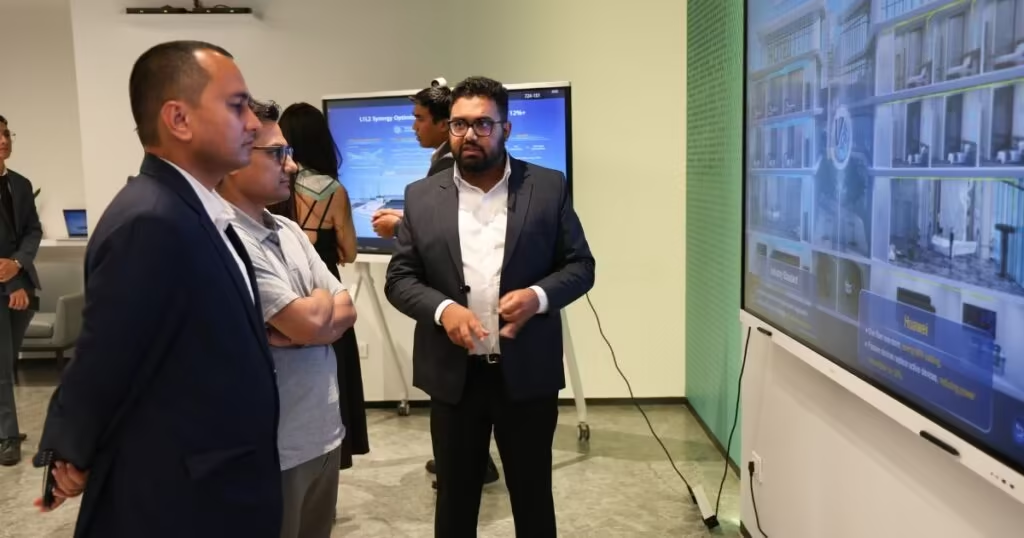
4. Huawei Digital Power: Enabling Sustainable and Intelligent Infrastructure
A key highlight of the Mini MWC 2026 was Huawei Digital Power, which focused on addressing Nepal’s unique geographical and infrastructure-related challenges.
During the event, Huawei shared its next-generation “Single Site Power” architecture alongside advanced Energy Storage Systems (ESS). Powered by AI technologies, these green energy solutions combine solar photovoltaic (PV) systems, lithium-based energy storage, and telecom equipment to create a cleaner, safer, and smarter energy ecosystem.
According to the company, the architecture is designed to help telecom operators upgrade traditional base stations into energy-efficient and resilient “prosumer” sites. These sites can better handle grid fluctuations while also helping reduce the carbon footprint of Nepal’s telecommunications sector.
Huawei Nepal reiterated its commitment to supporting the Government of Nepal’s Digital Nepal Framework while marking over 26 years of operation.
Also: 5G in Nepal: Launching soon | Find spectrum, features, key details
From expanding rural connectivity projects, including Smart Classroom deployments in remote areas, to developing local ICT talent and encouraging innovation, Huawei says it continues to contribute to Nepal’s ongoing digital transformation efforts.